
Most people only think about their tax documents once a year, right around filing season, when the pressure is on and the paperwork is already scattered across email inboxes, kitchen drawers, and half-remembered folders. By then, pulling everything together can feel like a scavenger hunt.
The middle of the year is actually a better time to get ahead of it. You have enough distance from the last filing season to catch anything that slipped through, and enough time before the next one to build a system that actually holds up. This tax document checklist walks through what to gather, how to organize it, and why doing it now can save you a real headache later.
Why a Mid-Year Tax Document Checklist Matters
Waiting until January or February to organize tax records means working under a deadline, often while trying to track down forms that should have been filed away months earlier. A missing 1099, a lost receipt, or an unclear expense record can slow down your return or lead to errors that draw IRS attention.
Getting organized mid-year also gives you a chance to catch problems while there’s still time to fix them. If your withholding is off, if estimated payments are behind, or if a document simply never arrived, July gives you room to correct course. December does not.
Personal Tax Document Checklist
Start with the paperwork most individual filers need to track throughout the year.
Income documents:
- Pay stubs and year-to-date earnings statements
- 1099 forms (for freelance work, interest, dividends, or retirement distributions)
- Records of any unemployment compensation
- Documentation of rental income
Deduction and credit records:
- Receipts for charitable donations
- Mortgage interest statements
- Property tax records
- Childcare expenses and provider information
- Education expenses and student loan interest statements
- Medical expenses, if they may exceed the deduction threshold
Life changes to document:
- Marriage, divorce, or a change in dependents
- A new home purchase or sale
- A new job or a significant change in income
If any of these applied to you this year, it’s worth checking whether your withholding still matches your situation. A change in filing status or income can throw off what’s being withheld from each paycheck, which is easier to correct mid-year than to discover as a surprise at filing time.
Small Business and Self-Employed Checklist
If you’re self-employed or run a small business, your documentation needs are a bit more involved, and the cost of disorganization tends to be higher.
Income and expense tracking:
- Bookkeeping records or accounting software exports
- Invoices issued and payments received
- Business bank and credit card statements
Contractor and payroll records:
- 1099-NEC forms issued to contractors
- Payroll records and payroll tax filings
- W-9 forms collected from any new contractors
Deductible expenses:
- Mileage logs
- Home office expense records
- Equipment and software purchases
- Business travel and meal receipts
Estimated tax payments:
- Records of quarterly estimated payments made so far this year
- Any IRS confirmation notices for those payments
Reviewing this list mid-year gives you a chance to catch a missing quarterly payment or a contractor who never returned a W-9, both of which are far easier to resolve now than after the year closes out.
How to Organize Your Tax Documents
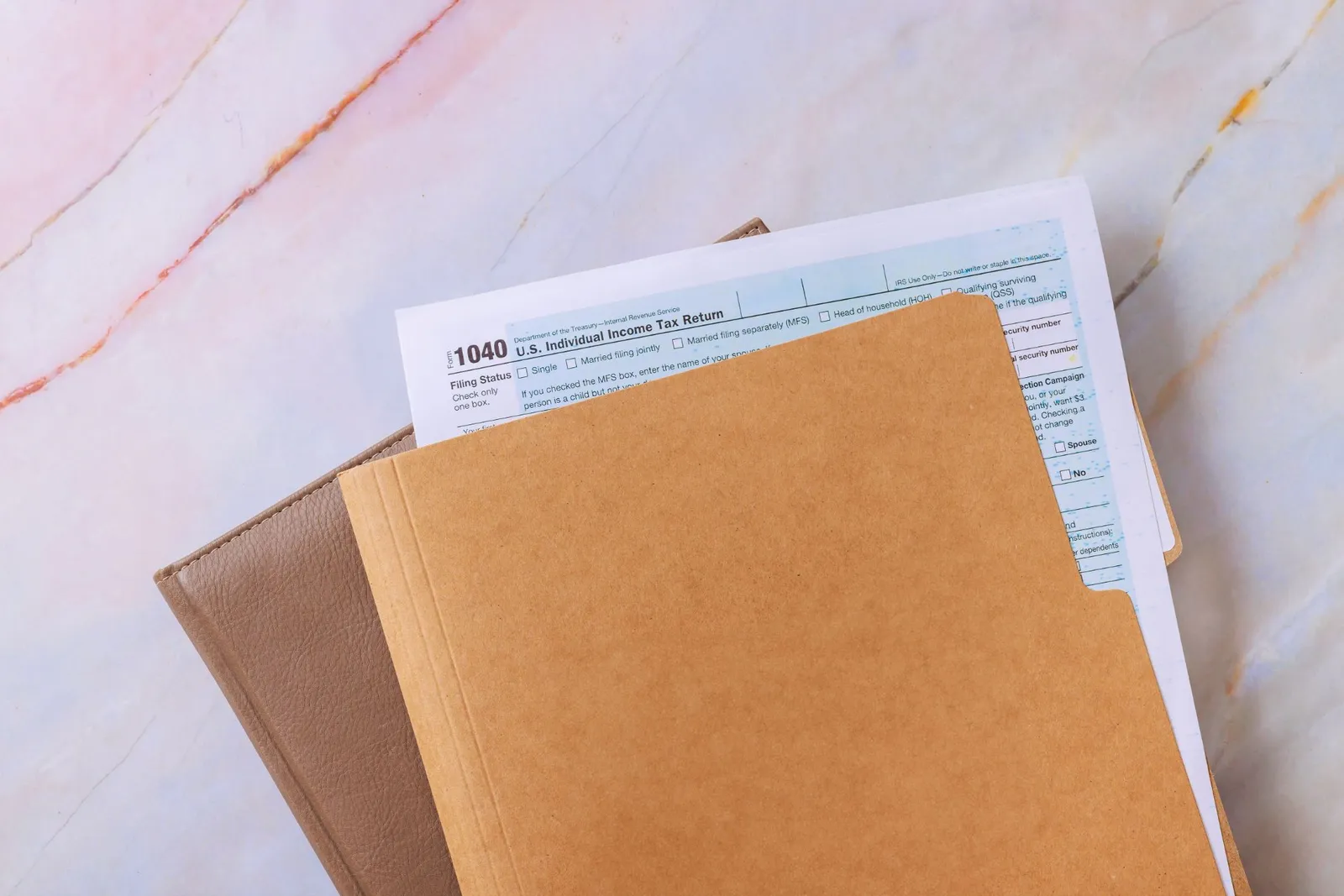
Once you know what you’re gathering, the next step is setting up a system that keeps it organized as the year goes on, rather than a single scramble in the spring.
Create one folder for the current tax year. Whether physical or digital, keep everything in one place from the start rather than scattered across email, mail, and random downloads.
Use subfolders by category. Income, expenses, deductions, and correspondence each deserve their own space. This makes it much faster to find a specific document later, and much easier to spot what’s missing.
Save digital copies as you go. Many forms, like 1099s and bank statements, are available for download the moment they’re issued. Save them immediately instead of waiting for a paper copy that may or may not arrive.
Review IRS notices as they come in. Any letter from the IRS deserves a place in this folder too, and it deserves a prompt read. Notices often come with response windows, and setting one aside “for later” is one of the easiest ways for a small issue to grow into a larger one.
Set a quarterly check-in. Rather than waiting until next tax season, a quick 15-minute review each quarter keeps the folder current and catches gaps early.
What to Do If You Find a Gap
Going through this checklist sometimes turns up something concerning: a missing prior-year form, a notice that was never addressed, or a balance that’s been sitting unresolved. If that happens, don’t let it get pushed aside again.
An unresolved IRS notice does not go away on its own, and depending on the notice, waiting can mean added interest, penalties, or fewer options by the time you do address it. If you find yourself behind on payments, an installment agreement may be worth exploring. If penalties have piled up from a first-time miss, penalty abatement could apply. And if the balance is larger than you can reasonably pay, an offer in compromise is worth a conversation, though it’s not guaranteed and depends heavily on your financial picture.
Frequently Asked Questions
How long should I keep tax documents?
The IRS generally recommends keeping records for at least three years after filing, since that’s the standard window for an audit. If your return involves unreported income above a certain threshold, that window can extend to six years, so it’s safer to hold onto major documents longer if there’s any doubt.
What’s the difference between a tax prep checklist and a tax document checklist?
They’re often used interchangeably, but a tax prep checklist usually covers the broader steps involved in filing (confirming your filing status, reviewing last year’s return, gathering documents), while a tax document checklist focuses specifically on which paperwork to collect and organize.
Do I need to keep paper copies, or are digital files enough?
For most purposes, digital copies are accepted and are often easier to organize and search than paper. Just make sure files are backed up somewhere secure, since a single hard drive failure shouldn’t be able to wipe out a year of records.
What should I do if I’m missing a document from a previous year?
For most tax forms, you can request a copy from the issuer (an employer, bank, or client) or check your IRS online account, which shows most of what was reported to the IRS under your name.
Get Ahead of Next Tax Season Now
A little organization now goes a long way toward a smoother filing season later, and it gives you the chance to catch and correct issues while there’s still time to act. If working through this checklist raises questions about a notice, a balance, or anything else, reach out to our team to talk through your options before it becomes more urgent.