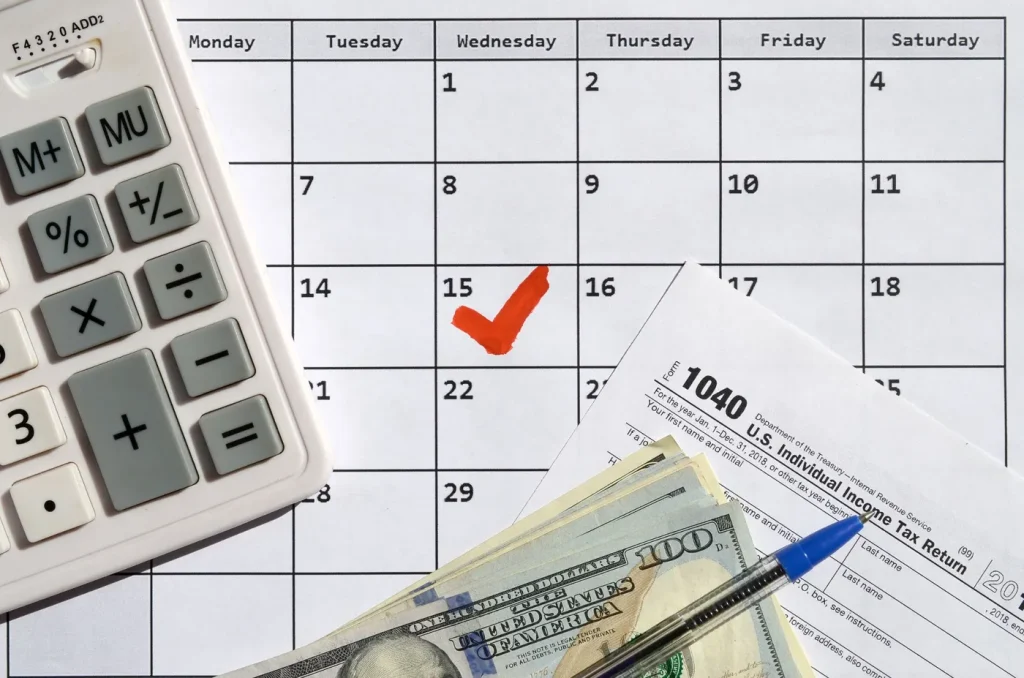
Missing a tax deadline happens. Life gets complicated, paperwork gets pushed aside, and before you know it, April has come and gone without a filed return. It’s more common than most people realize.
What is less commonly understood is what happens next. The IRS does not simply note the missed deadline and move on. It begins charging a penalty that grows every month the return stays unfiled, and that penalty is significantly steeper than most taxpayers expect.
If you have a return you have not filed yet, understanding how the failure to file penalty works, and how it compares to other IRS charges, can help you make a smarter decision about what to do next.
What Is the Failure to File Penalty?
The failure to file penalty is a charge the IRS applies when a required tax return is not submitted by the deadline, including any extensions. It is separate from any taxes you may owe and separate from the failure to pay penalty, which is a different charge we will cover below.
The penalty is calculated as a percentage of the unpaid tax shown on your return. If you do not owe any taxes, or if you are owed a refund, the failure to file penalty does not apply in the same way. But for most people carrying an unpaid balance, it begins the moment the filing deadline passes and grows from there.
How the Failure to File Penalty Is Calculated
The IRS charges 5% of the unpaid tax for each month, or partial month, that a return is late. That rate continues for up to five months, at which point the penalty reaches its maximum of 25% of the unpaid balance.

Here is a simple breakdown of how that looks in practice:
- Month 1: 5% of unpaid tax
- Month 2: 10% of unpaid tax
- Month 3: 15% of unpaid tax
- Month 4: 20% of unpaid tax
- Month 5: 25% of unpaid tax (maximum)
That means within five months, the penalty alone can add a quarter of your original tax bill on top of what you already owe. And that is before interest.
The IRS also charges interest on unpaid taxes at a rate of approximately 7% annually (adjusted quarterly based on the federal short-term rate). Interest applies to both the unpaid tax and any penalties that have already been assessed, which means the total balance compounds over time.
Failure to File vs. Failure to Pay: What Is the Difference?
This is where a lot of taxpayers get confused. These are two separate penalties, and they work very differently.
The failure to file penalty is 5% per month on the unpaid balance, up to 25% maximum.
The failure to pay penalty is 0.5% per month on the unpaid balance, up to 25% maximum.
When both penalties apply in the same month, the IRS reduces the failure to file rate by the failure to pay rate, so the combined charge is 5% rather than 5.5%. But make no mistake: the failure to file penalty is ten times more expensive per month than the failure to pay penalty.
This is the core reason why tax professionals consistently give the same advice: file your return even if you cannot pay what you owe. Filing stops the more aggressive penalty from accumulating. The failure to pay penalty will still accrue on the unpaid balance, but at a fraction of the cost.
Why Filing Late Is Always Better Than Not Filing at All
This point is worth repeating because many taxpayers make the mistake of avoiding both filing and paying when they can only do one or the other.
If you file your return but cannot pay the full amount owed, the failure to pay penalty begins at 0.5% per month. That is manageable, and there are IRS programs available to help you address the balance over time.
If you do not file your return at all, the failure to file penalty begins at 5% per month. Within five months, you have added 25% to your bill before any payment arrangement even begins.
To put that in concrete terms: on a $5,000 unpaid balance, not filing costs you an additional $1,250 in penalties alone within five months. Filing but not paying costs you $125 over the same period.
The difference is significant. And that gap only widens when you factor in the interest accruing on top of those penalties.
Filing also preserves your eligibility for IRS relief programs. Options like installment agreements, offers in compromise, and First Time Penalty Abatement all require that your returns be current before the IRS will consider your case. Not filing eliminates those options before you even have a chance to explore them.
What Happens If You Have Multiple Unfiled Returns?
If you have more than one year of unfiled returns, the penalties apply independently to each year. Each unfiled return carries its own failure to file penalty, its own failure to pay charges, and its own interest accrual.
This is one of the reasons ongoing unfiled tax returns can feel so overwhelming when people finally sit down to address them. The balances have often grown far beyond the original tax owed, and the total can be difficult to look at clearly.
The IRS also has the authority to file a Substitute for Return (SFR) on your behalf if you do not file. An SFR is built from income data the IRS already has from employers, financial institutions, and other third parties. The problem is that the IRS does not give you credit for deductions, credits, or exemptions you may have been entitled to. The result is almost always a higher tax bill than you would have owed had you filed yourself.
Filing your own return, even late, gives you control over the numbers the IRS is working from.
How to Get Started Even When It Feels Overwhelming
One of the most common reasons people put off filing is that the process feels too complicated or the situation feels too far gone to fix. Neither is true.
A return only requires your basic identifying information to get started. Your name, Social Security number, and income documents are the foundation. If you are missing forms or records, a tax professional can help you request your IRS transcripts, which show the income information the IRS already has on file for you.
In some cases, filing a return for a year you expect to owe may actually work in your favor. If you were entitled to a refund in a prior year but never claimed it, filing that return may help offset your current balance. That is a detail worth reviewing with a professional before assuming the worst.
Can the Failure to File Penalty Be Removed?
In some situations, yes. The IRS offers two primary forms of penalty relief that may apply to failure to file penalties.
First Time Penalty Abatement
If this is your first significant compliance issue in the past three years, you may qualify for First Time Penalty Abatement (FTA). This is an administrative relief program that allows the IRS to waive qualifying penalties based on your prior compliance history, not based on the reason you filed late. It is one of the more accessible relief options available and does not require extensive documentation.
Penalty Abatement for Reasonable Cause
If you can demonstrate that circumstances outside your control prevented you from filing on time, the IRS may consider waiving the penalty based on reasonable cause. This could include a serious illness, a natural disaster, or destruction of your records. Reasonable cause requests require a written explanation and supporting documentation, and they are reviewed on a case-by-case basis.
Neither option is guaranteed, and both require that your returns be filed before the IRS will consider any form of relief. That is another reason filing is always the right first step.
Final Thoughts
The failure to file penalty is one of the more costly IRS charges simply because it is avoidable. Filing a return, even a late one, stops the meter running on the most aggressive penalty the IRS applies. It keeps your relief options open and gives you a clearer picture of what you actually owe.
If you have unfiled returns or a growing IRS balance, the team at Andrin Tax Relief can help you understand where things stand and what options are available. Our enrolled agents work directly with the IRS on your behalf, so you do not have to navigate it alone.
Reach out today to get started.